Calcium to Phosphorus Ratio Chart for Bearded Dragon Foods
A Ca:P ratio chart for bearded dragon foods: approximate calcium to phosphorus ratios for greens, vegetables, fruit, and feeder insects, with oxalate warnings.
Quick answer: Aim for an overall diet with at least a 2:1 calcium to phosphorus ratio. Collard greens (about 9:1), turnip greens (4.5:1), dandelion greens (3:1), and mustard greens (2:1) are the staple salad base. Nearly all feeder insects are phosphorus-heavy, crickets around 1:9 and mealworms near 1:14, so dust them with calcium; black soldier fly larvae (about 2.5:1) are the lone exception. Limit high-oxalate greens like spinach and chard.
The calcium to phosphorus ratio, written Ca:P, is the single most useful number in reptile nutrition. Phosphorus binds calcium in the gut, so a diet that is phosphorus-heavy quietly starves the skeleton no matter how much calcium is on the label. The tables below give approximate ratios for the foods bearded dragon keepers actually use, so you can build a salad and feeder rotation that stays calcium-positive.
All values are approximate, compiled from USDA food data and commonly published feeder analyses. Content varies with season, soil, and the insects' diet, so use the ranking rather than treating any single number as exact.
Calcium and Ratio Correction Tools

Fluker's Reptile Calcium Without D3
The daily dust that fixes every insect's inverted ratio.

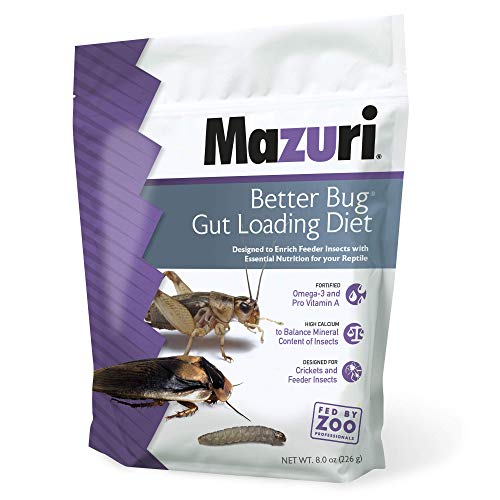
Mazuri Better Bug Gut-Loading Diet
Loads feeders with calcium and nutrients before feeding.

Zoo Med Zoo Med T5 HO ReptiSun 10.0 UVB
UVB makes the D3 that lets calcium absorb at all.
As an Amazon Associate we earn from qualifying purchases at no extra cost to you. Feeding and supplement guidance here is researched care information, not veterinary advice; confirm dosing with a reptile vet.
Leafy greens Ca:P chart
| Green | Approx. Ca:P | Verdict |
|---|---|---|
| Collard greens | 9:1 | Staple, best-in-class |
| Prickly pear pad (nopales) | 8:1 or better | Staple, calcium powerhouse |
| Turnip greens | 4.5:1 | Staple |
| Dandelion greens | 3:1 | Staple |
| Arugula (rocket) | 3:1 | Good rotation green |
| Bok choy | 2.8:1 | Rotation; mild goitrogen |
| Mustard greens | 2:1 | Staple |
| Watercress | 2:1 | Good rotation green |
| Endive and escarole | 1.9:1 | Staple, gentle flavor |
| Kale | 2.4:1 | Occasional; goitrogens |
| Beet greens | 3:1 | Occasional only; high oxalates |
| Spinach | 2:1 | Occasional only; high oxalates bind the calcium |
| Swiss chard | 1.1:1 | Occasional only; high oxalates |
| Romaine lettuce | 1.1:1 | Low value; mostly water |
Vegetables and fruit Ca:P chart
| Food | Approx. Ca:P | Verdict |
|---|---|---|
| Papaya | 2:1 | Best fruit choice, still a treat |
| Butternut squash | 1.5:1 | Good weekly vegetable |
| Okra | 1.3:1 | Good weekly vegetable |
| Green beans | 1:1 | Weekly vegetable |
| Acorn squash | 0.9:1 | Weekly vegetable |
| Carrot (grated) | 0.9:1 | Weekly, small amounts |
| Raspberries | 0.9:1 | Occasional treat |
| Snap peas | 0.8:1 | Weekly vegetable |
| Mango | 0.8:1 | Occasional treat |
| Strawberries | 0.7:1 | Occasional treat |
| Sweet potato (raw, grated) | 0.6:1 | Occasional |
| Blueberries | 0.5:1 | Occasional treat |
| Apple | 0.5:1 | Occasional treat |
| Bell pepper | 0.4:1 | Weekly, pair with staple greens |
| Zucchini | 0.4:1 | Low value filler |
| Banana | 0.2:1 | Rare treat only |
Feeder insects Ca:P chart
| Insect | Approx. Ca:P | Fix |
|---|---|---|
| Black soldier fly larvae (BSFL) | 2.5:1 | None needed; naturally calcium-positive |
| Silkworms | 1:2.4 | Dust with calcium |
| Hornworms | 1:3 | Dust with calcium |
| Dubia roaches | 1:3 | Gut load and dust |
| Waxworms | 1:7 | Dust; rare treat anyway |
| Crickets | 1:9 | Gut load and dust |
| Mealworms | 1:14 | Dust; occasional only |
| Superworms | 1:18 | Dust; occasional only |
How to use these numbers
Think in layers. Layer one is the salad: build it on collard, turnip, dandelion, and mustard greens so the plant side of the diet starts calcium-positive. Layer two is the feeders: gut load them for 24 to 48 hours and dust with plain calcium, following the supplement schedule by age, since every insect except BSFL arrives phosphorus-heavy. Layer three is UVB, because without vitamin D3 from a proper tube none of the calcium absorbs; verify your setup against the temperature and UVB chart.
Oxalates and goitrogens are the two asterisks on any ratio chart. High-oxalate foods like spinach and chard lock up their own calcium, and goitrogen-heavy brassicas like kale and cabbage can affect the thyroid in large amounts, so both groups stay occasional regardless of their printed ratio. For which foods are safe at all and how often to offer them, pair this chart with the food chart, the feeder insect nutrition chart, and the deep dive on calcium and D3 supplements. Getting this balance wrong long-term leads to metabolic bone disease, the most common preventable illness in pet dragons.
Frequently Asked Questions
What calcium to phosphorus ratio do bearded dragons need?
The overall diet should deliver at least twice as much calcium as phosphorus, commonly written as a 2:1 Ca:P ratio or better. Phosphorus binds calcium in the gut, so a phosphorus-heavy diet starves the bones even when calcium is present. No single food has to hit 2:1 on its own; the goal is for the diet as a whole, including calcium dusting, to land there.
Which greens have the best calcium to phosphorus ratio?
Collard greens are the standout at roughly 9:1, followed by turnip greens around 4.5:1, dandelion greens near 3:1, and mustard greens around 2:1. That is exactly why these four are the classic staple salad base. Prickly pear cactus pads are another calcium powerhouse. Building the daily salad on these greens does most of the ratio work before any supplement touches the food.
Why is spinach bad for bearded dragons if it is high in calcium?
Spinach, beet greens, and Swiss chard contain high levels of oxalates, compounds that bind calcium and carry it out of the body unused. So even though spinach shows a decent calcium number on paper, much of that calcium is unavailable, and the oxalates can also tie up calcium from other foods eaten at the same time. These greens are not toxic, but they belong in the occasional pile, never the daily salad.
Do feeder insects have a good calcium to phosphorus ratio?
Almost none do. Crickets run around 1:9, mealworms near 1:14, and superworms even worse, all heavily phosphorus-skewed. Black soldier fly larvae are the exception at roughly 2.5:1 thanks to their calcium-rich exoskeleton. This is why dusting feeders with calcium powder is not optional: the dust corrects the ratio of every insect meal. Gut loading with calcium-rich foods helps too.
Can calcium dusting fix a bad ratio by itself?
Dusting corrects individual insect meals well, but it works best on top of a salad already built from high-calcium staple greens. Relying on powder to rescue a diet of low-ratio foods leaves less margin for error, since dust falls off insects and dragons sometimes shake it loose. Combine staple greens, gut-loaded and dusted feeders, and strong UVB so the diet does not depend on any single fix.
How accurate are the ratios in this chart?
Treat every number as an approximation. Published values vary between sources because calcium and phosphorus content shifts with season, soil, ripeness, and the insects' own diet. The numbers here are compiled from USDA food data and commonly published feeder insect analyses, rounded for readability. The ranking is what matters: foods near the top of each table are calcium-favorable, foods near the bottom are not.
What happens if the ratio stays inverted for too long?
A chronically phosphorus-heavy, calcium-poor diet is a direct path to metabolic bone disease. The body pulls calcium out of the skeleton to keep blood levels stable, leading to soft jaws, swollen or bowed limbs, tremors, and eventually fractures and deformity. MBD is far easier to prevent than reverse, which is why the staple-greens-plus-dusting routine matters at every age.
Need more help with your bearded dragon?
Browse our guides by topic to find practical solutions.
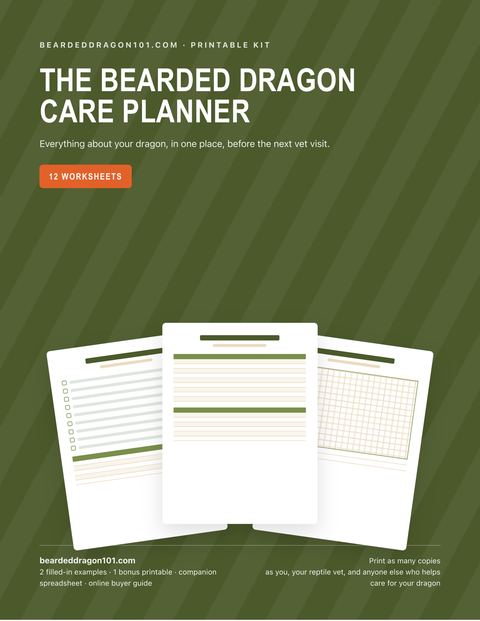
Care Planner: $39