Best Calcium & D3 Supplements for Bearded Dragons
The best calcium and D3 supplements for bearded dragons compared: with-D3 vs no-D3, multivitamins, a dusting schedule, and how to avoid over-supplementing.
Calcium supplementation is non-negotiable for bearded dragons. Without it, even a dragon eating a varied diet can develop metabolic bone disease (MBD), a painful condition that softens and deforms the bones. The good news is that prevention is cheap and simple: dust your feeder insects with the right calcium powder on the right schedule. The one decision that trips up new keepers is whether to use calcium with or without vitamin D3, which depends entirely on your UVB lighting. Below are six trusted supplements and exactly how to use them.
Best Calcium and Vitamin Supplements

Fluker's Reptile Calcium Without D3
Phosphorus-free calcium for dragons with strong UVB.


Zoo Med Reptile Calcium With D3, 8 oz
Larger D3 calcium tub for limited-UVB setups.

Rep-Cal Herptivite Multivitamin
Beta-carotene multivitamin to dust once or twice weekly.
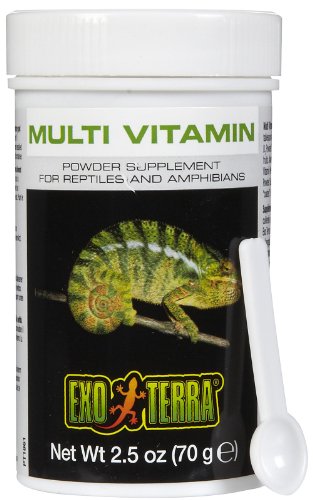
Exo Terra Multi Vitamin Powder
Balanced reptile multivitamin, budget-friendly option.
As an Amazon Associate we earn from qualifying purchases at no extra cost to you. Feeding and supplement guidance here is researched care information, not veterinary advice; confirm dosing with a reptile vet.
How we chose these supplements
These picks are based on reptile-veterinary guidance, manufacturer specifications, and verified keeper reviews, not on hands-on lab testing. We prioritized phosphorus-free, ultrafine calcium powders that cling well to feeder insects, with clearly labeled D3 and no-D3 versions so you can match your supplement to your UVB setup. For multivitamins we favored established reptile formulas using beta-carotene as the vitamin A source, which is safer than pre-formed vitamin A.
Comparison table
| Product | Type | Use when | Budget |
|---|---|---|---|
| Fluker's Calcium (no D3) | Calcium | Strong UVB setup | Under $25 |
| Zoo Med Calcium (no D3), 8 oz | Calcium | Strong UVB, frequent dusting | Under $25 |
| Rep-Cal Calcium + D3 | Calcium + D3 | Weak or no UVB | Under $25 |
| Zoo Med Calcium + D3, 8 oz | Calcium + D3 | Limited UVB, larger supply | Under $25 |
| Rep-Cal Herptivite | Multivitamin | 1 to 2 times weekly | Under $25 |
| Exo Terra Multivitamin | Multivitamin | Budget weekly multivitamin | Under $25 |
Calcium with D3 vs without D3
This is the key decision. Calcium needs vitamin D3 to be absorbed, and dragons make their own D3 when they bask under UVB light. So your D3 source depends on your lighting:
- Strong, current T5 HO 10.0 UVB: Use calcium without D3 for most feedings. The bulb provides the D3, and adding more risks toxicity.
- Weak, old, missing, or coil UVB, or a dragon that rarely basks: Use calcium with D3 so the calcium can be absorbed. This is the safer choice when UVB is in doubt.
Some keepers with good UVB use plain calcium most days and a D3 calcium once or twice a week as insurance. What you must avoid is stacking a strong UVB bulb with daily D3 calcium and a D3 multivitamin, which can push vitamin D3 into the toxic range.
The multivitamin's role
A reptile multivitamin fills in trace minerals and vitamins that calcium alone does not provide, including vitamin A precursors. Dust feeders with multivitamin once or twice a week, on days you are not using calcium. Look for formulas that use beta-carotene rather than pre-formed vitamin A, since the body converts beta-carotene as needed and cannot easily overdose on it. To see why dusting matters food by food, check the calcium to phosphorus ratio chart.
A simple supplement schedule
Consistency beats complexity. Here is a reliable routine:
- Babies and juveniles: Dust insects with calcium at nearly every feeding, and use a multivitamin once or twice a week in place of calcium.
- Adults: Dust insects with calcium at most feedings, and multivitamin once a week.
- D3 source: Match to your UVB as described above.
To dust, drop the insects into a cup, add a light pinch of powder, shake gently to coat, and feed right away. Aim for a light film, not a heavy crust. Paired with proper UVB and a balanced diet, this simple routine is your best defense against metabolic bone disease and a key to a long, healthy life for your dragon.
Frequently Asked Questions
Do bearded dragons need calcium supplements?
Yes. Captive diets cannot supply enough calcium on their own, and a deficiency leads to metabolic bone disease, a painful and deforming condition. You prevent it by dusting feeder insects with calcium powder at nearly every insect feeding. Calcium supplementation, combined with proper UVB lighting and a balanced diet, is one of the most important parts of bearded dragon care.
Should I use calcium with or without D3?
It depends on your UVB setup. If your dragon has a strong, current T5 HO 10.0 UVB bulb, use calcium without D3 most of the time, because UVB lets the body make its own D3. If your UVB is weak, old, missing, or your dragon basks little, use calcium with D3 so the calcium can actually be absorbed. Some keepers with good UVB use a D3 calcium once or twice a week as a safety margin.
Can a bearded dragon get too much D3 or calcium?
Yes. Over-supplementing vitamin D3 can cause toxicity and soft-tissue calcification, which is why you should not stack a strong UVB bulb with daily D3 calcium plus a D3-containing multivitamin. Plain calcium is much harder to overdose. The safe approach is to match your D3 source to your UVB, dust lightly rather than heavily, and follow a consistent weekly schedule.
How often should I dust with calcium and multivitamin?
Dust feeder insects with calcium at nearly every insect feeding for growing dragons, and most feedings for adults. Add a reptile multivitamin once or twice a week in place of the calcium dust. Babies, which eat insects multiple times daily, get calcium most feedings and multivitamin a couple times weekly. Never dust every feeder with everything at once.
How do I dust feeder insects properly?
Place the insects in a cup or bag, add a small pinch of powder, and gently shake to lightly coat them, then feed immediately before the powder falls off. You want a light dusting, not a thick clump. Dust just before feeding so the insects are still coated, and avoid leaving heavily dusted insects sitting, since they groom the powder off over time.
How were these supplements chosen?
These picks reflect reptile-veterinary guidance, manufacturer specifications, and verified keeper reviews, not hands-on lab testing. We prioritized phosphorus-free, ultrafine calcium powders that cling well to insects, clearly labeled D3 and no-D3 options so you can match your UVB, and established reptile multivitamins. Value and ingredient transparency also factored into the rankings below.
Need more help with your bearded dragon?
Browse our guides by topic to find practical solutions.
Care Planner: $39