Can Bearded Dragons Eat Zucchini?
Yes, bearded dragons can eat zucchini in moderation. Learn safe serving sizes, why it is a filler veg, how to prep it, and how it fits a balanced diet.
Zucchini is a soft, hydrating summer squash that bearded dragons can eat safely as part of a mixed salad. It is mild, easy to chew, and low in oxalates, which makes it a convenient vegetable to add for variety. The catch is that zucchini is mostly water and offers little calcium, so it belongs in the supporting cast of the diet rather than the starring role.
The verdict: Occasional side vegetable. Yes, bearded dragons can eat zucchini in moderation. It is safe and low in oxalates, but it is mostly water with little calcium and a phosphorus-heavy ratio, so feed it once or twice a week alongside calcium-rich staple greens.
Tools to Balance a Veggie Salad

Phosphorus-Free Calcium with D3 (Ultrafine)
Phosphorus-free calcium with D3 to dust feeders and balance a vegetable-heavy diet.

Ceramic Reptile Food and Water Bowl (2 pk)
A shallow anti-spill bowl that keeps chopped zucchini and greens off the substrate.

Reptile Feeding Tongs with Rubber Tips (2 pk)
Soft-tip tongs to offer food cleanly without picking up loose substrate.
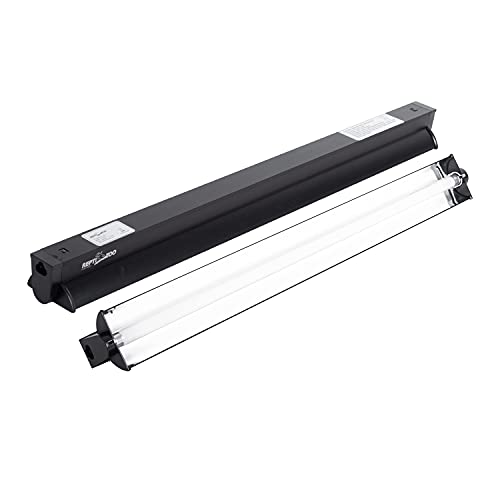
REPTI ZOO T5 HO UVB Lighting Combo Kit (Hood + 10.0 Bulb)
Strong T5 HO UVB is what lets a dragon actually use the calcium in its diet.
As an Amazon Associate we earn from qualifying purchases at no extra cost to you. Feeding and supplement guidance here is researched care information, not veterinary advice; confirm dosing with a reptile vet.
Zucchini nutrition for bearded dragons
Zucchini is roughly 95 percent water, which makes it hydrating but light on nutrition. It supplies small amounts of vitamin C, vitamin A, and potassium, along with a little fiber. Its biggest drawback is the calcium-to-phosphorus ratio, which leans toward phosphorus. Bearded dragons need more calcium than phosphorus in their overall diet to protect their bones, so a phosphorus-heavy vegetable cannot anchor the salad. The good news is that zucchini is very low in oxalates and contains no goitrogens, so it does not interfere with calcium absorption or thyroid function the way some other vegetables can.
| Factor | Zucchini |
|---|---|
| Water content | Very high (about 95%) |
| Ca:P ratio | Roughly 1:1.5 (more phosphorus) |
| Oxalates | Low |
| Goitrogens | None |
| Best role | Occasional filler vegetable |
How to prepare zucchini
- Wash the zucchini well to remove pesticide residue, or peel it if you prefer.
- Slice off a small portion and grate or finely chop it into bite-sized pieces no wider than the space between your dragon's eyes.
- Remove any large, hard seeds from older, oversized zucchini, though young zucchini seeds are soft and fine.
- Mix the pieces into a leafy green salad rather than serving zucchini on its own.
- Discard any uneaten zucchini at the end of the day before it spoils.
How often can bearded dragons eat zucchini?
Once or twice a week is a sensible amount. Zucchini works best as a small slice of a salad that is otherwise built around calcium-rich greens. Because it is watery and low in calcium, leaning on it too heavily can lead to runny droppings and a diet that quietly falls short on the minerals a dragon needs. Rotate zucchini with other safe vegetables so your dragon gets variety in color, texture, and nutrients across the week. To see how zucchini stacks up against other vegetables, check our bearded dragon food chart.
Risks to watch for
- Loose stools or dehydration imbalance from feeding too much watery zucchini.
- A calcium shortfall if zucchini and other low-calcium vegetables crowd out staple greens.
- Choking on large chunks, so always cut zucchini small.
- Pesticide residue on unwashed conventional zucchini, so rinse it thoroughly or peel it.
A healthy bearded dragon diet is roughly 80 percent leafy greens and vegetables and 20 percent insects for adults, and the reverse for babies and juveniles. The best staple greens are calcium-rich, low-oxalate options like collard greens, mustard greens, turnip greens, dandelion greens, and escarole. Build the daily salad around those, dust feeders with calcium, then use vegetables like zucchini to add variety and hydration. For the full picture, read our bearded dragon diet guide.
Frequently Asked Questions
Can bearded dragons eat zucchini every day?
It is not the best daily choice. Zucchini is mostly water with little calcium and modest nutrition, so feeding it every day crowds out more valuable greens. Offer it once or twice a week as part of a varied salad, and build the daily plate around calcium-rich staples like collard, mustard, and dandelion greens instead.
Do I need to peel zucchini for a bearded dragon?
Peeling is optional. The skin is soft, thin, and edible, and it holds extra fiber and nutrients. If you use conventional zucchini, wash it well to remove pesticide residue, or peel it for extra peace of mind. Either way, chop the zucchini into small, bite-sized pieces so it is easy to eat and digest.
Can baby bearded dragons eat zucchini?
Yes, in small amounts, but it should not be a priority. Babies and juveniles need protein and calcium most, so insects and calcium-rich greens should dominate their meals. A little finely chopped zucchini mixed into a salad is fine for variety, but do not let watery, low-calcium vegetables replace the foods a growing dragon truly needs.
Should zucchini be raw or cooked?
Raw is best. Bearded dragons eat their vegetables raw in the wild, and raw zucchini keeps its fiber and texture. Cooking softens it and leaches out some nutrients, and there is no safety reason to cook it. Simply wash the zucchini, slice or grate it into small pieces, and serve it fresh on top of leafy greens.
Why is zucchini considered a filler vegetable?
Zucchini is roughly 95 percent water and low in calcium, vitamins, and minerals compared with leafy greens. It adds bulk, hydration, and variety, but not much nutrition per bite. That is why keepers call it a filler. It is perfectly safe in rotation, but it should support a salad built around nutrient-dense staple greens rather than headline it.
Is too much zucchini bad for bearded dragons?
Overfeeding zucchini can cause loose stools because of its high water content, and relying on it can leave a dragon short on calcium. Its calcium-to-phosphorus ratio leans toward phosphorus, which works against bone health if it dominates the diet. Keep zucchini to a once or twice weekly side and always pair it with calcium-rich greens and proper supplementation.
Need more help with your bearded dragon?
Browse our guides by topic to find practical solutions.
Care Planner: $39