Can Bearded Dragons Eat Butternut Squash?
Yes, butternut squash is a good regular vegetable for bearded dragons. Learn serving sizes, raw vs cooked, how to prep it, and how it fits a balanced diet.
Butternut squash is one of the most worthwhile squashes you can offer a bearded dragon. It is rich in vitamin A and fiber, low in oxalates, and reasonably well balanced in minerals, which sets it apart from watery filler vegetables. With a quick peel and grate it becomes an easy, nutritious addition to the regular salad rotation a couple of times a week.
The verdict: Good regular vegetable. Yes, bearded dragons can eat butternut squash. It is low in oxalates, rich in vitamin A and fiber, and better balanced than most squashes, so it can feature in the salad a couple of times a week alongside calcium-rich greens.
Tools for a Nutrient-Rich Salad

Phosphorus-Free Calcium with D3 (Ultrafine)
Phosphorus-free calcium with D3 to dust feeders and support strong bones.

Ceramic Reptile Food and Water Bowl (2 pk)
A shallow anti-spill bowl that keeps grated squash and greens off the substrate.

Reptile Feeding Tongs with Rubber Tips (2 pk)
Soft-tip tongs to offer food cleanly without picking up loose substrate.
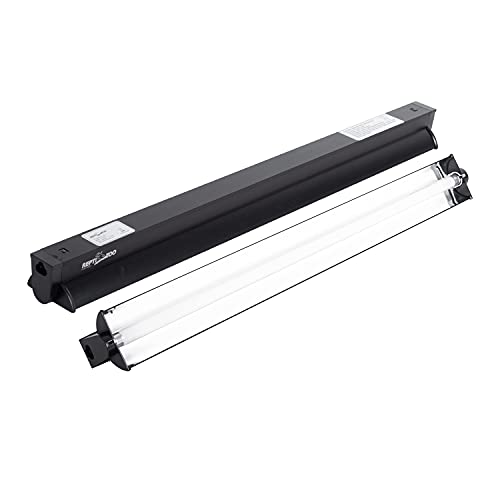
REPTI ZOO T5 HO UVB Lighting Combo Kit (Hood + 10.0 Bulb)
Strong T5 HO UVB is what lets a dragon actually use the calcium in its diet.
As an Amazon Associate we earn from qualifying purchases at no extra cost to you. Feeding and supplement guidance here is researched care information, not veterinary advice; confirm dosing with a reptile vet.
Butternut squash nutrition for bearded dragons
Butternut squash is an excellent source of vitamin A and beta-carotene, which support vision, immune health, and skin and shedding. It also provides vitamin C, fiber, potassium, and good hydration. For reptiles, the appealing part is its mineral profile, which is more balanced than many vegetables, though it still leans slightly toward phosphorus. Butternut squash is low in oxalates and free of goitrogens, so it does not interfere with calcium absorption or thyroid function. That combination of strong nutrition and a clean safety profile is why it ranks among the better regular vegetables for bearded dragons.
| Factor | Butternut Squash |
|---|---|
| Vitamin A and fiber | High |
| Ca:P ratio | Roughly 1:1.2 (close to balanced) |
| Oxalates | Low |
| Goitrogens | None |
| Best role | Regular vegetable, a couple times a week |
How to prepare butternut squash
- Peel off the tough outer skin completely.
- Scoop out and discard the seeds and stringy pulp.
- Finely grate the firm flesh, or chop it into small, bite-sized pieces.
- Serve raw, or lightly steam it to soften, with no butter, salt, or seasoning.
- Mix into a leafy green salad and remove uneaten pieces at the end of the day.
How often can bearded dragons eat butternut squash?
A couple of times a week works well. Its strong vitamin A content and balanced minerals make butternut squash more valuable than watery vegetables, so it can appear regularly. Still, rotate it with other safe vegetables and keep the daily plate centered on calcium-rich greens. See how butternut squash compares with other foods on our bearded dragon food chart.
Risks to watch for
- Choking or digestive trouble from the tough skin, so always peel it.
- Choking or impaction risk from hard seeds, so scoop them out.
- Too much vitamin A if squash is combined with heavy vitamin A supplements, so use beta-carotene sources sensibly.
- Large, dense chunks being hard to eat, so grate or chop the flesh small.
A healthy bearded dragon diet is roughly 80 percent leafy greens and vegetables and 20 percent insects for adults, and the reverse for babies and juveniles. The best staple greens are calcium-rich, low-oxalate options like collard greens, mustard greens, turnip greens, dandelion greens, and escarole. Build the daily salad around those, dust feeders with calcium, then add butternut squash for vitamin A and variety. For more, read our bearded dragon diet guide.
Frequently Asked Questions
Is butternut squash good for bearded dragons?
Yes, butternut squash is one of the better squashes for bearded dragons. It is rich in vitamin A and fiber, low in oxalates, and has a reasonably balanced calcium-to-phosphorus ratio compared with many vegetables. That makes it a good choice for the regular vegetable rotation, fed a couple of times a week, finely grated or chopped and mixed into a salad of calcium-rich greens.
Should butternut squash be raw or cooked?
Raw, finely grated butternut squash is the standard way to feed it and preserves the most nutrients. Because butternut is dense, grating makes it easy to eat. You can lightly steam it to soften it for a young or fussy dragon, but never add butter, salt, or seasoning. Whether raw or steamed, serve it plain and chopped or grated into small pieces.
Do I peel butternut squash for a bearded dragon?
Yes, remove the tough outer skin, since it is hard to chew and digest. Also scoop out the seeds and stringy center. Feed only the firm orange flesh, finely grated or chopped into small pieces. The skin of butternut squash is much tougher than that of soft squashes like zucchini, so peeling is important for safe, easy feeding.
Can baby bearded dragons eat butternut squash?
Yes, in small, finely grated amounts. Butternut squash is safe and its vitamin A and fiber are useful, but babies need protein and calcium most. Insects and calcium-rich greens should make up the bulk of a young dragon's diet, with squash as a supporting vegetable. Grate it finely so it is easy to eat and mix it into a salad rather than serving it alone.
How often can bearded dragons eat butternut squash?
A couple of times a week is appropriate. Butternut squash is more nutritious and better balanced than filler vegetables, so it can feature regularly, but variety still matters. Rotate it with other safe vegetables and keep the salad anchored by calcium-rich greens. Its fiber and vitamin A make it a worthwhile staple-supporting vegetable when fed in sensible portions.
Can bearded dragons eat butternut squash seeds?
No, avoid the seeds. They are hard and can pose a choking hazard or contribute to digestive trouble. Scoop out and discard the seeds and the stringy pulp from the central cavity, then peel the squash and feed only the firm flesh. The flesh provides all the vitamin A and fiber benefits without any of the risk that the seeds carry.
Need more help with your bearded dragon?
Browse our guides by topic to find practical solutions.
Care Planner: $39