Dunner Bearded Dragon: Pattern Morph Guide
The Dunner bearded dragon morph explained: random scale direction, spotted body and tail, co-dominant inheritance, and why its care is fully standard.
The Dunner is one of the more visually striking pattern morphs in the bearded dragon hobby. It is a variation of the central bearded dragon, Pogona vitticeps, named after the breeder Kevin Dunn who first identified the trait. What makes a Dunner special is not its color but the way its scales and markings break the usual rules. The scales point in varied directions, the body wears spots instead of stripes, and the feet and tail carry unusual patterning. Best of all for keepers, a Dunner is a cosmetic morph only, so its care is completely standard.
Standard Care Kit for a Dunner

REPTI ZOO REPTI ZOO T5 HO 10.0 UVB Bulb 24W
The standard high-output UVB every bearded dragon needs

Zoo Med Zoo Med Reptile Calcium without D3 8oz
Dust feeder insects to protect against metabolic bone disease

Etekcity Lasergrip 774 Infrared Thermometer
Confirm a 95 to 110F basking spot and proper gradient
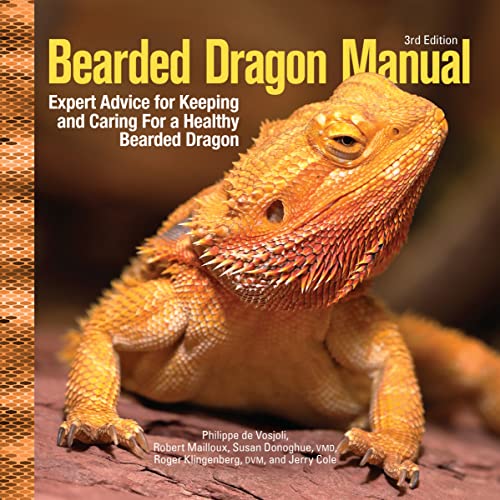
Fox Chapel Publishing Bearded Dragon Manual 3rd Edition (book)
A solid reference for everyday beardie husbandry
As an Amazon Associate we earn from qualifying purchases at no extra cost to you. Feeding and supplement guidance here is researched care information, not veterinary advice; confirm dosing with a reptile vet.
Where the Dunner Came From
The Dunner trait takes its name from Kevin Dunn, the breeder credited with discovering and establishing it. Like many morphs in the hobby, it appeared as an unusual look that a careful breeder noticed, isolated, and reproduced. Once the inheritance pattern was understood, the trait spread through breeding programs, and today the Dunner is a well-recognized and widely available pattern morph. Underneath the unusual appearance, it remains a standard central bearded dragon in every way that matters for care.
The Three Hallmarks of a Dunner
Identifying a Dunner comes down to looking past color and studying the scales and markings. A color morph changes the hue, but a Dunner changes the layout. Here are the signature traits keepers look for.
Scales That Point in Varied Directions
On a standard bearded dragon, scales generally line up in neat, organized rows that flow consistently along the body. On a Dunner, the scales point in random or varied directions, giving the surface a slightly scattered, less uniform texture. This is the most telling feature and the one experienced keepers check first. Importantly, the scales are not thinner or reduced, they are simply oriented differently, so there is no added skin sensitivity.
Spots Instead of Stripes
Standard dragons typically show stripes or bars running across the back and sides. A Dunner replaces much of that with a spotted pattern down the body. The effect is a more dappled, polka-dot look rather than clean lateral bars.
Unusual Feet and Tail Patterning
The Dunner trait also reaches the extremities. The feet often carry distinctive markings, and the tail frequently shows spots rather than the tidy bands seen on a typical bearded dragon. A spotted tail next to scattered body spots is a strong combined clue that you are looking at a Dunner.
Co-Dominant Inheritance and Stacking
Dunner is a co-dominant trait. In practical terms, a single copy of the gene produces the Dunner look, so the trait does not have to be doubled up to show. This is part of why the morph is so popular with breeders. Because it expresses with one copy and plays well with other genes, the Dunner stacks easily onto color and scale morphs.
You will commonly see combinations such as Dunner leatherbacks, Dunner hypos, Dunner translucents, and color-driven versions like red or citrus Dunners. Each combination layers the Dunner pattern onto another trait to create a unique animal. The key point for owners is that stacking changes appearance only. A Dunner color combo does not gain any special diet or husbandry needs from the Dunner side of the equation.
| Feature | Standard Dragon | Dunner Morph |
|---|---|---|
| Scale direction | Neat, organized rows | Varied, random directions |
| Body markings | Stripes or bars | Spots |
| Tail pattern | Usually banded | Often spotted |
| Inheritance | Wild-type | Co-dominant |
| Care needs | Standard | Standard |
Caring for a Dunner
Here is the reassuring part. A Dunner needs nothing special. Its scales are normal thickness, just oriented differently, so it does not share the shedding difficulty or UVB sensitivity that reduced-scale leatherbacks and silkbacks can have. Follow standard bearded dragon husbandry and your Dunner will thrive.
- Provide a basking surface of 95 to 110F, hotter for juveniles, and a cool side of 75 to 85F.
- Run a T5 HO 10.0 UVB bulb and replace it every 6 to 12 months as output fades.
- House an adult in a 40-gallon-breeder minimum, with 75 to 120 gallons being better.
- Never house two dragons together, since they are territorial.
- Avoid loose sand, which can cause impaction. Use a solid liner or tile.
Note that if your dragon is a stacked combo such as a Dunner leatherback, the leatherback gene is what introduces the reduced scaling, so you would follow leatherback guidance for gentler decor and shedding support. That requirement comes from the leatherback side, not the Dunner pattern itself.
No Special Diet, Ever
A Dunner eats like any other bearded dragon. Babies and juveniles take roughly 80 percent insects and 20 percent greens, and adults shift to about 80 percent greens and 20 percent insects. Offer feeders such as dubia roaches and crickets, dust them with calcium to prevent metabolic bone disease, and keep fresh greens available daily. The Dunner pattern has no bearing on nutrition whatsoever.
The Bottom Line
The Dunner is a beautiful pattern morph defined by scattered scale direction, a spotted body, and unusual feet and tail markings, all riding on co-dominant inheritance that lets it stack with countless color and scale combos. Yet for all that visual flair, it is care-identical to a standard bearded dragon. Give it correct temperatures, fresh UVB, calcium, a balanced diet, and a properly sized enclosure, and your Dunner can be a healthy, eye-catching companion for 10 to 15 years.
Frequently Asked Questions
What is a Dunner bearded dragon?
A Dunner is a pattern morph of the central bearded dragon, Pogona vitticeps. It is named after the breeder Kevin Dunn, who first identified the trait. The defining feature is how the scales lie and how the markings appear. Instead of neat rows of scales and tidy stripes, a Dunner has scales pointing in varied directions and a spotted pattern down the body. It is purely a cosmetic pattern variation, so a Dunner is still an ordinary bearded dragon underneath.
What does a Dunner morph look like?
Three hallmarks set a Dunner apart. First, the scales point in random or varied directions rather than lining up in neat, organized rows. Second, the body markings appear as spots instead of the usual stripes or bars. Third, the feet and tail show unusual patterning, so a Dunner often has a spotted tail rather than the clean bands seen on standard dragons. Together these traits give the Dunner a distinctive, slightly scattered look that experienced keepers recognize quickly.
How is the Dunner trait inherited?
Dunner is a co-dominant trait. That means a single copy of the gene is enough to show the Dunner look, and the trait does not need to be paired with a second copy to appear. Because it is co-dominant, Dunner stacks easily with other genes, so breeders combine it with color and scale morphs to create combinations like Dunner leatherbacks and Dunner het translucents. Stacking does not change care, it only changes appearance.
Does a Dunner bearded dragon need special care?
No. A Dunner is a pattern morph, so its care is fully standard. It needs the same basking temperature of 95 to 110F, a cool side of 75 to 85F, a T5 HO 10.0 UVB bulb replaced every 6 to 12 months, calcium-dusted feeder insects, and the normal greens-and-insects diet. The unusual scale direction does not thin the scales the way leatherback or silkback genes do, so there are no extra sensitivity concerns. Care for a Dunner exactly as you would any beardie.
Is there a special diet for Dunner dragons?
There is no special diet for a Dunner. Like every bearded dragon, babies and juveniles eat roughly 80 percent insects and 20 percent greens to fuel growth, then adults shift to about 80 percent greens and 20 percent insects. Offer feeders such as dubia roaches and crickets, dust them with calcium to guard against metabolic bone disease, and keep fresh leafy greens available daily. The Dunner pattern has zero effect on nutritional needs.
Can Dunner be combined with other morphs?
Yes, and that is one reason breeders love it. Because Dunner is co-dominant, it stacks readily with color and scale morphs. You will see Dunner leatherbacks, Dunner hypos, Dunner translucents, and many color combinations such as red or citrus Dunners. Each combination changes only how the dragon looks. A Dunner leatherback, for example, will have the reduced scaling of a leatherback, so follow leatherback care guidance for shedding and UVB, while the Dunner pattern itself adds no requirements.
Are Dunner bearded dragons healthy?
Yes, the Dunner trait is not associated with health problems. It affects scale direction and pattern only, not the structure or thickness of the scales, so Dunners do not face the shedding or UVB sensitivity issues that reduced-scale morphs can. A Dunner kept with correct temperatures, fresh UVB, calcium supplementation, a balanced diet, and proper enclosure size can live a typical 10 to 15 year lifespan. As always, see a reptile vet if any illness appears.
Need more help with your bearded dragon?
Browse our guides by topic to find practical solutions.
Care Planner: $39