Bearded Dragon Bioactive Setup Guide
How to build a bioactive bearded dragon enclosure: arid substrate, drainage, isopod and springtail cleanup crew, plants, and why it is an advanced, not beginner, project.
A bioactive enclosure turns your bearded dragon’s tank into a small living ecosystem that partly cleans itself. Done well, it offers natural digging, enrichment, and a striking naturalistic look while cutting down on spot cleaning. Done poorly, it can introduce impaction and humidity risks. This guide explains how arid bioactive works, how to build one correctly, and why it is best approached after you have mastered the basics.
Bioactive Setup Components
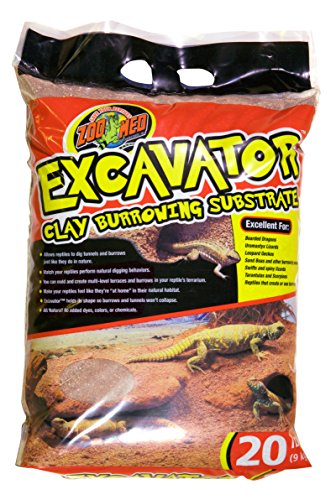
Zoo Med Excavator Clay Burrowing Substrate
Packs firm and carvable as the structural base of an arid bioactive mix, supporting natural burrows.

Riare Expanded Clay Balls Drainage Layer
Lightweight clay pebbles for an optional false-bottom drainage layer beneath the substrate.

Pocket Pets Live Cleanup Crew: Isopods + Springtails
The microfauna that break down waste and mold to keep your bioactive substrate self-cleaning.

PietyPet Artificial Plants and Vines
Low-maintenance plants that add cover and a natural look without raising enclosure humidity.
As an Amazon Associate we earn from qualifying purchases at no extra cost to you. Feeding and supplement guidance here is researched care information, not veterinary advice; confirm dosing with a reptile vet.
Is bioactive right for you?
Bioactive is an advanced approach, not a beginner’s first setup. If you are still learning to hold a stable 95 to 110F basking spot, correct UVB, and 30 to 40 percent humidity, start with a solid substrate like tile or reptile carpet and get comfortable first. Bioactive adds variables: the substrate blend, drainage, plant care, and a living cleanup crew that all must work together. Come to it once your husbandry is solid, and it can be a rewarding upgrade.
How a bioactive enclosure works
The concept is simple even if the execution is not. A naturalistic substrate hosts a colony of tiny invertebrates, isopods and springtails, known as the cleanup crew. As your dragon produces waste and drops bits of food, the microfauna consume it along with mold and decaying plant matter, recycling it through the substrate. Live or artificial plants complete the look and, with live plants, help process nutrients. The result is a habitat that processes much of its own waste.
Building the substrate
For a desert species, the substrate must be arid-appropriate and firmly packed. A common mix is organic topsoil, washed play sand, and clay such as excavator clay, combined and packed down at a depth that allows digging, often several inches. Packed firmly, the mix behaves more like solid ground than loose particles, which is what keeps impaction risk low while still letting your dragon burrow. Avoid fine, dusty, or fluffy loose material that a dragon could easily swallow.
Optional drainage layer
Some keepers add a false bottom of expanded clay balls beneath the substrate so the small amount of moisture the cleanup crew needs can drain away from the surface rather than keeping the whole tank damp. Because bearded dragons need low humidity, the goal is a substrate that stays mostly dry on top, with just a small moist zone in one corner to sustain the microfauna.
Adding the cleanup crew
Seed the enclosure with isopods and springtails, choosing drought-tolerant isopod species suited to drier conditions. After building and planting, introduce the cleanup crew and give the colony several weeks to a couple of months to establish and reproduce before relying on it to process waste. Keep one corner lightly moist or spot mist it occasionally so the microfauna survive in the otherwise dry tank, without raising the overall humidity out of the 30 to 40 percent range.
Plants and decor
Plants finish the naturalistic look and give your dragon cover. Hardy, drought-tolerant live plants can work in an arid bioactive setup and help process nutrients, but many keepers use sturdy artificial plants and vines instead, since they need no watering and so will not push humidity up. Add hides, a basking platform, and climbing branches as in any enclosure, keeping the warm end and cool end gradient intact.
Maintaining a bioactive enclosure
Bioactive means less spot cleaning, not none. The cleanup crew handles most droppings and food waste, but you should still:
- Remove unusually large messes the crew cannot keep up with
- Monitor that the isopod and springtail colony is thriving
- Watch for mold or any humidity creeping above 40 percent
- Replenish leaf litter or supplemental food for the microfauna
- Maintain plants and refresh decor as needed
Keeping it safe
The two risks to manage are impaction and humidity. Keep the substrate firmly packed and arid-appropriate, and feed insects in a dish or a separate feeding tub so your dragon never strikes at prey directly over the loose substrate. Hold humidity in the desert range with good ventilation and a contained moist zone for the cleanup crew. Manage those two factors and a bioactive enclosure can be a healthy, enriching home that showcases your dragon’s natural behavior.
Frequently Asked Questions
What is a bioactive bearded dragon setup?
A bioactive setup is a living enclosure where a packed, naturalistic substrate is paired with a cleanup crew of isopods and springtails and live or fake plants. The microfauna break down droppings and uneaten food, creating a partly self-cleaning, more natural habitat. For a bearded dragon it uses an arid-appropriate substrate kept at low humidity, mimicking the dry Australian environment the species comes from.
Is a bioactive setup good for bearded dragons?
Done correctly, yes. A well-built bioactive enclosure offers natural digging, enrichment, and reduced spot cleaning. But it is an advanced project: the substrate blend, depth, drainage, and humidity all have to be right, and the cleanup crew needs time to establish. Done poorly, a deep loose substrate becomes an impaction and bacteria risk. Beginners should master a solid substrate like tile and stable husbandry first.
What substrate do I use for a bioactive bearded dragon enclosure?
Use an arid bioactive mix, typically organic topsoil, washed play sand, and clay such as excavator clay, packed firmly at a depth that allows digging (often several inches). Packed firmly it behaves like solid ground rather than loose particles, which lowers impaction risk. Some keepers add a drainage layer of expanded clay balls at the bottom. The key is a dry, firm, naturalistic substrate, not a damp tropical one.
What cleanup crew works for a bearded dragon bioactive setup?
Isopods and springtails are the core cleanup crew. They eat droppings, mold, and decaying matter, keeping the substrate healthy. For an arid bearded dragon enclosure, choose drought-tolerant isopod species and pair them with springtails. Seed the enclosure with the cleanup crew and let the colony establish for several weeks before relying on it. They need a small moist zone or occasional spot misting in one corner to survive in a dry tank.
Do bioactive enclosures still need cleaning?
They need far less spot cleaning, but they are not zero-maintenance. The cleanup crew handles most droppings and food waste, yet you should still remove very large messes, monitor the colony, top up plants, and keep an eye on humidity and any mold. You will also periodically replenish leaf litter or food for the microfauna. Think of bioactive as reducing cleaning, not eliminating it entirely.
Can bioactive setups still cause impaction?
They can if built wrong. A loose, fine, or overly deep substrate that a dragon swallows while feeding poses an impaction risk just like loose sand. The way bioactive setups manage this is a firmly packed, naturalistic substrate that behaves like solid ground, plus feeding insects in a dish or separate tub so the dragon does not strike at prey over the substrate. Build it correctly and feed carefully to keep the risk low.
How long does it take to establish a bioactive enclosure?
Plan for several weeks to a couple of months before the cleanup crew is fully established and self-sustaining. After building the substrate, planting, and seeding the isopods and springtails, give the colony time to reproduce and settle before relying on it to process waste. During this establishment period, spot clean as usual and monitor that the microfauna are surviving in the dry, low-humidity conditions a bearded dragon needs.
Need more help with your bearded dragon?
Browse our guides by topic to find practical solutions.
Care Planner: $39