Bearded Dragon Substrate Guide (Safe vs Risky)
The complete bearded dragon substrate guide: why tile and reptile carpet are safest, why loose sand risks impaction, and how to clean each type to keep your dragon healthy.
Substrate, the material lining the floor of the enclosure, is one of the most debated topics in bearded dragon care, and one of the most important for safety. The wrong choice can cause impaction, a life-threatening gut blockage, while the right choice is safe, easy to clean, and even helps with heat and nail wear. This guide explains which substrates are safe, which are risky, and how to keep each one clean.
Safe Substrate Picks

Duedusto Ceramic / Slate Reptile Tile Liner
A solid, wipe-clean substrate with no impaction risk that radiates basking heat to warm your dragon.

MCLANZOO Reptile Carpet 40 Gallon (2-Pack)
Soft, washable terrarium liner; the two-pack lets you swap a clean piece while one dries.
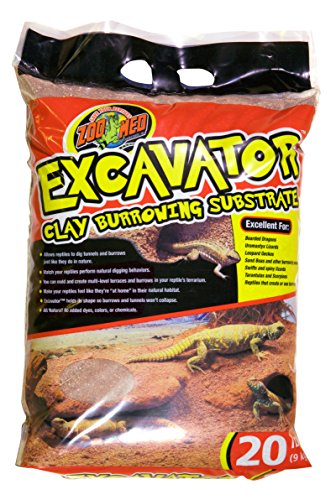
Zoo Med Excavator Clay Burrowing Substrate
For advanced naturalistic builds; packs into solid, carvable burrows that resist loose ingestion.
As an Amazon Associate we earn from qualifying purchases at no extra cost to you. Feeding and supplement guidance here is researched care information, not veterinary advice; confirm dosing with a reptile vet.
The golden rule: solid beats loose
For most keepers, and for every juvenile, a solid substrate is the safest choice. Tile, reptile carpet, and other sealed surfaces cannot be swallowed, so they carry no impaction risk. Loose particle substrates, by contrast, can be ingested during feeding and accumulate in the gut. If you take one thing from this guide, let it be this: when in doubt, choose a solid substrate, especially for a young or recovering dragon.
Best solid substrates
Tile
Ceramic or slate tile is widely considered the gold standard. It is inexpensive, permanent, and impossible to ingest. It wipes clean in seconds and disinfects easily, it absorbs and radiates basking heat to gently warm your dragon’s belly and aid digestion, and its slightly rough surface helps file down toenails. Buy tiles cut to fit your enclosure floor, or use peel-and-stick vinyl tiles for a quick, seamless liner.
Reptile carpet and terrarium liner
Reptile carpet is soft, cheap, reusable, and free of impaction risk. Its weakness is hygiene: it traps waste and odor and must be spot cleaned daily and washed regularly. The loops can snag toenails, so trim any frays. Keep two pieces and rotate them, swapping a clean one in while the other is washed and dried. For beginners who want a soft floor, carpet is a fine, safe option.
Other sealed surfaces
Some keepers use sealed, textured shelf liner, paper towels (for hatchlings or quarantine), or non-adhesive vinyl. Paper towels are not pretty but they are perfectly safe, dirt cheap, and let you monitor droppings closely, which makes them ideal for very young dragons or while treating an illness.
Risky loose substrates to avoid
The following loose substrates carry an impaction risk and are not recommended for beginners or juveniles:
- Calcium sand: marketed as digestible, but dragons may eat it deliberately and it can clump in the gut. Avoid it.
- Play sand and silica sand: fine particles swallowed during feeding can accumulate over time.
- Crushed walnut shell: sharp and indigestible, a well-known impaction and irritation hazard.
- Wood chips, bark, and gravel: too large, ingestible, and can injure the mouth or gut.
- Coconut fiber (coco coir) alone: holds too much moisture for a desert species and can be ingested.
Naturalistic and bioactive substrates
Experienced keepers sometimes build naturalistic setups using a packed mix of organic topsoil, washed play sand, and clay (such as excavator clay) at a depth that supports digging. Packed firmly, this mix behaves more like solid ground than loose particles and lets a dragon express natural burrowing behavior. A full bioactive version adds a cleanup crew of isopods and springtails plus plants to break down waste, creating a partly self-cleaning habitat.
These setups can be excellent, but they are advanced. The substrate must be the right blend and depth, kept at low humidity to suit a desert species, and stocked with a functioning microfauna colony. Done poorly, a deep loose mix becomes an impaction and bacteria risk. Master a solid substrate and stable husbandry before attempting bioactive.
Substrate comparison at a glance
| Substrate | Impaction risk | Ease of cleaning | Best for |
|---|---|---|---|
| Tile | None | Excellent | All dragons (top pick) |
| Reptile carpet | None | Moderate (wash often) | Beginners, soft floor |
| Paper towel | None | Excellent (disposable) | Babies, quarantine, illness |
| Packed soil/sand/clay | Low if packed | Moderate | Experienced, naturalistic |
| Bioactive mix | Low if managed | Self-cleaning + spot | Advanced keepers |
| Loose / calcium sand | High | Poor | Avoid |
Keeping substrate clean
Whatever you choose, hygiene prevents illness. Spot clean waste and uneaten food daily. Wipe and disinfect tile weekly with a reptile-safe cleaner and do a deeper clean monthly. Wash reptile carpet at least weekly. Feed insects in a dish or a separate feeding tub so your dragon strikes at prey over a clean surface, not over substrate, which dramatically lowers any ingestion risk. Clean substrate is one of the simplest, cheapest forms of preventive health care for your dragon.
Frequently Asked Questions
What is the safest substrate for a bearded dragon?
Solid substrates are safest: ceramic or slate tile, reptile carpet or terrarium liner, and other sealed, non-loose surfaces. They are easy to clean, hold no bacteria-trapping moisture, and carry zero impaction risk. Tile is a favorite because it is cheap, wipes clean, and radiates basking heat to warm a dragon’s belly. For juveniles and beginners especially, a solid substrate is the responsible default.
Is sand safe for bearded dragons?
Loose sand is risky and best avoided, especially for juveniles. Dragons swallow loose particles while striking at feeder insects, and over time this can build up and cause impaction, a dangerous blockage of the gut. Calcium sand is particularly hazardous because dragons may eat it deliberately. Some experienced keepers use a packed, naturalistic dirt-sand-clay mix, but loose sand alone is not a safe beginner choice.
What substrate causes impaction in bearded dragons?
Loose particle substrates are the main culprits: play sand, calcium sand, crushed walnut shell, ground coconut fiber, wood chips, and gravel. These can be ingested during feeding and accumulate into a blockage, which is a medical emergency. Juveniles are most at risk because they eat large amounts of insects and strike aggressively. Solid substrates like tile or reptile carpet eliminate this danger entirely.
Can I use reptile carpet for a bearded dragon?
Yes. Reptile carpet, also sold as terrarium liner, is a popular solid substrate with no impaction risk. It is soft, inexpensive, and reusable. The trade-off is hygiene: it traps waste and odor and must be spot cleaned often and fully washed regularly, and the loops can catch toenails, so trim any snags. Keep two pieces so you can swap a clean one in while the other dries.
Is tile a good substrate for bearded dragons?
Tile is one of the best substrates available. Ceramic or slate tile is cheap, permanent, impossible to ingest, and very easy to wipe and disinfect. It also absorbs and radiates basking heat, gently warming your dragon’s belly to aid digestion, and it helps file down nails naturally. Cut tiles to fit the enclosure floor or use peel-and-stick vinyl tiles. For most keepers, tile is the gold standard.
What about bioactive substrate for bearded dragons?
A properly built bioactive setup uses a deep, packed mix of organic topsoil, sand, and clay with a cleanup crew of isopods and springtails and live or fake plants. Done correctly it is naturalistic and self-cleaning, but it is an advanced project: the substrate must be the right blend and depth, kept low-humidity, and stocked with a working microfauna colony. Beginners should master a solid substrate first.
How often should I clean or change the substrate?
Spot clean daily, removing waste and uneaten food as soon as you see it. For solid substrates like tile, wipe and disinfect the surface weekly and do a deeper clean monthly. Wash reptile carpet at least weekly, rotating two pieces. A bioactive substrate is largely maintained by its cleanup crew but still needs occasional spot attention. Good substrate hygiene is one of the simplest ways to prevent illness.
Need more help with your bearded dragon?
Browse our guides by topic to find practical solutions.
Care Planner: $39