How Much Does a Bearded Dragon Cost?
A full breakdown of bearded dragon costs: purchase price, startup setup, monthly food and supplements, vet care, and hidden expenses, plus how to save money.
Bearded dragons are often described as beginner pets, but the price tag of the dragon itself is the smallest part of the story. The real cost is in the habitat, the lighting, the ongoing food, and the occasional vet visit. This guide breaks down what you can realistically expect to spend up front and over time, so you can budget honestly before bringing a dragon home.
Where Your Budget Goes
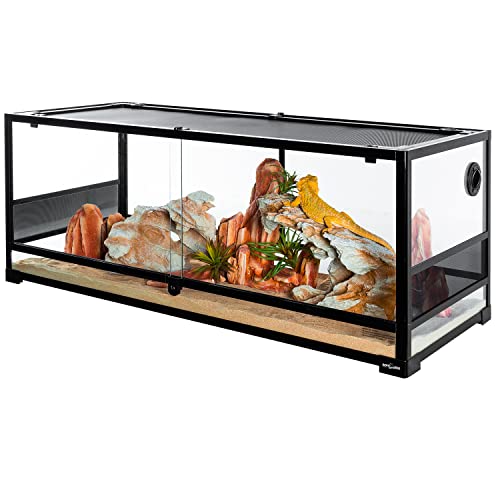
REPTI ZOO Extra-Long 48-inch Glass Terrarium
Buying a lifelong enclosure once avoids the cost of upgrading later.

Zoo Med T5 HO ReptiSun 10.0 UVB Lamp (2-Pack)
A recurring cost: budget for a fresh UVB bulb every 6 to 12 months.

Dubia Roaches 100 Live Dubia Roaches
Bulk feeders lower the per-insect cost of the monthly food budget.

Zoo Med Reptile Calcium with Vitamin D3
An inexpensive monthly staple that prevents costly bone disease.
As an Amazon Associate we earn from qualifying purchases at no extra cost to you. Feeding and supplement guidance here is researched care information, not veterinary advice; confirm dosing with a reptile vet.
Cost overview
| Category | What it covers | When |
|---|---|---|
| The dragon | Purchase or adoption fee | One time |
| Enclosure | Tank, stand, screen top | One time |
| Lighting and heat | UVB, basking bulb, thermostat | Startup plus replacements |
| Habitat | Substrate, hides, decor, dishes | Startup |
| Food and supplements | Insects, greens, calcium, vitamins | Ongoing monthly |
| Vet care | Checkups and illness | As needed |
The purchase price
The dragon itself ranges from around 40 dollars for a standard juvenile up to several hundred for sought-after morphs like translucent, leatherback, or rare color lines. Adopting a rescue is often cheaper and gives a dragon a second home. Whatever you pay, remember this is the smallest line item in the budget. The setup that keeps the dragon healthy costs far more, so never let a low purchase price tempt you into skimping on the habitat.
Startup setup costs
The habitat is where most of your initial money goes. A complete setup, the enclosure, a T5 HO 10.0 UVB bulb and fixture, a basking bulb, a thermostat, digital thermometers and a hygrometer, substrate, hides, a basking platform, dishes, and first supplements and feeders, typically totals a few hundred dollars. The enclosure and lighting are the biggest pieces. Buying a large enclosure once rather than upgrading later, and choosing durable tile, helps keep the total reasonable.
Monthly running costs
Ongoing costs are more modest and center on food: feeder insects, fresh greens and vegetables, and supplements. Babies eat far more insects than greens-loving adults, so the food bill is higher early on. Electricity for the lights and heat adds a little. Budget too for recurring replacements, especially UVB bulbs every 6 to 12 months and basking bulbs as they burn out. None of this is large month to month, but it is constant.
The cost people forget: vet care
The most commonly underestimated expense is veterinary care. Reptile and exotic vets charge more than general clinics, and conditions like impaction, metabolic bone disease, or egg binding can require diagnostics and treatment. Set aside an emergency fund so a sudden illness does not become a financial crisis. Good husbandry is the best insurance, since preventing disease through correct UVB, heat, diet, and substrate is far cheaper than treating it.
How to save money
The smartest savings come from doing things right the first time. Buy a lifelong enclosure once, use durable tile instead of replacing carpet, and bulk-buy or raise feeder insects like dubia to cut per-insect cost. Grow some safe greens at home, run lights on a timer and thermostat for efficiency, and replace UVB on schedule to avoid bone problems and vet bills. Prevention is always cheaper than treatment.
The bottom line
Expect a modest purchase price, a few hundred dollars for a proper startup setup, ongoing monthly costs for food and supplements, and an emergency fund for vet care. A bearded dragon can live well over a decade, so think of it as a long-term commitment rather than a one-time purchase. Budget for the full picture, prioritize health-critical gear like UVB and a thermostat, and your dragon will reward you with years of companionship.
Frequently Asked Questions
How much does a bearded dragon cost to buy?
The dragon itself usually costs anywhere from around 40 to several hundred dollars depending on age, morph, and source. Standard juveniles from a pet store or breeder are at the lower end, while sought-after morphs like translucent, leatherback, or rare color lines command much more. Adopting a rescue is often cheaper and gives a dragon a second home. The purchase price, however, is a small fraction of the real cost, since the habitat and ongoing care add up to far more.
What is the total startup cost for a bearded dragon?
A complete startup setup typically runs a few hundred dollars once you add the enclosure, T5 HO UVB bulb and fixture, basking bulb, thermostat, digital thermometers and hygrometer, substrate, hides, basking platform, dishes, and initial supplements and feeders. The enclosure and lighting are the biggest costs. Buying a large enclosure once instead of upgrading later, and choosing durable tile over repeatedly replaced carpet, helps control the total. Do not economize on UVB or a thermostat, which protect the dragon's health.
How much does it cost to keep a bearded dragon each month?
Monthly running costs are modest, generally covering feeder insects, fresh greens and vegetables, calcium and multivitamin supplements, and electricity for the lights and heat. Insects and produce are the main recurring expense, more for insect-hungry babies than for greens-eating adults. Budget also for periodic replacements like UVB bulbs every 6 to 12 months and basking bulbs as they burn out. Overall, ongoing monthly costs are lower than the startup outlay but should still be planned for.
What are the hidden or unexpected costs of a bearded dragon?
The biggest hidden cost is veterinary care, since exotic and reptile vets charge more than general clinics and illnesses like impaction or metabolic bone disease can require diagnostics and treatment. Other easily forgotten costs include replacing UVB bulbs on schedule, upgrading from a starter tank to a larger adult enclosure, restocking supplements, and electricity. Setting aside an emergency vet fund and budgeting for recurring replacements keeps these surprises from becoming a financial shock.
Is it cheaper to adopt or buy a bearded dragon?
Adopting a rescue bearded dragon is usually cheaper than buying from a breeder, and some rescues include supplies or even an enclosure, which can save a significant amount on startup. Adoption fees are typically modest and go toward the rescue's care of other animals. Beyond cost, adoption gives a home to a dragon that needs one. Just budget to correct any husbandry gaps a rescue may arrive with, such as a fresh UVB bulb or a larger enclosure.
How can I save money keeping a bearded dragon?
Save by buying a large enclosure once rather than upgrading, choosing durable tile over repeatedly replaced carpet, and raising or bulk-buying feeder insects like dubia to cut per-insect cost. Grow some safe greens at home, use a timer and thermostat to run lights efficiently, and replace UVB bulbs on schedule to avoid health problems that lead to vet bills. The smartest savings come from good husbandry, since preventing illness is far cheaper than treating it.
Need more help with your bearded dragon?
Browse our guides by topic to find practical solutions.
Care Planner: $39