Dubia Roaches vs Crickets for Bearded Dragons
Dubia roaches vs crickets for bearded dragons: nutrition, ease of keeping, cost, and feeding response compared, plus which staple feeder is best for your dragon.
Dubia roaches and crickets are the two most popular staple feeders for bearded dragons, and choosing between them is one of the first decisions a new keeper faces. The short answer is that both are excellent, but they differ in nutrition, ease of keeping, cost, and how strongly they trigger a feeding response. This head-to-head comparison breaks down each factor so you can decide which staple fits your dragon and your household, or whether to feed both.
Dubia Roaches and Crickets to Compare

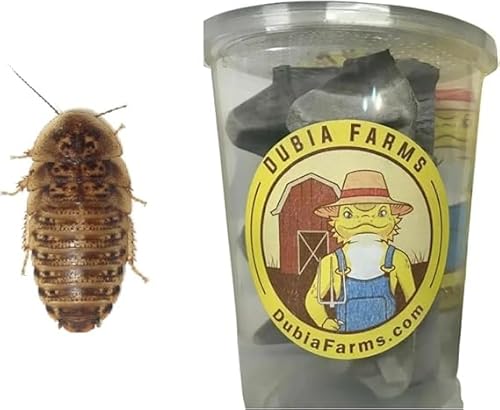
DUBIA FARMS Medium Dubia Roaches (100 ct)
Smaller dubia sized correctly for juveniles.

Josh's Frogs Live Banded Crickets (500 ct)
Active prey that triggers a strong feeding response.
Mazuri Cricket & Roach Gut-Load Diet
Loads either feeder with nutrients before feeding.
As an Amazon Associate we earn from qualifying purchases at no extra cost to you. Feeding and supplement guidance here is researched care information, not veterinary advice; confirm dosing with a reptile vet.
Head-to-head comparison
| Factor | Dubia roaches | Crickets |
|---|---|---|
| Protein | Higher | Good |
| Fat | Lower | Slightly higher |
| Digestibility | Soft shell, easy | Easy |
| Odor | None | Noticeable |
| Noise | Silent | Chirps at night |
| Escape risk | Cannot climb or fly | Escapes readily |
| Lifespan in storage | Months | Days to a week or two |
| Feeding response | Moderate (less movement) | Strong (active prey) |
| Cost per insect | Higher | Lower |
Nutrition
Nutritionally, dubia roaches have the edge. They typically carry more protein and less fat than crickets, with a comparable calcium balance once gut-loaded, which makes them an efficient feeder for growing dragons. Their softer shell is also easier to digest. Crickets are not far behind and remain a solid staple, but their higher fat content and harder exoskeleton give dubia a slight nutritional advantage. Either way, both require gut loading and calcium dusting to be complete meals.
Ease of keeping
This is where dubia roaches pull clearly ahead. They are nearly odorless, completely silent, cannot climb smooth plastic, and cannot fly, so a simple ventilated bin contains them with no escapes. They also live for months, meaning a single order lasts a long time. Crickets, by contrast, smell, chirp loudly at night, escape through the smallest gaps, and die off quickly without precise temperature and ventilation. For anyone keeping feeders in a living space, dubia are dramatically less hassle.
Feeding response and cost
Crickets win on two fronts. Their constant movement triggers a powerful hunting response, which is genuinely useful for a picky dragon or a baby that needs to be enticed to eat. They are also cheaper per insect and more widely available in stores. Dubia move less, so some dragons used to crickets need a short transition, often helped by offering dubia with tongs and wiggling them to mimic live prey.
Which should you choose?
For most keepers, dubia roaches make the best everyday staple thanks to their superior nutrition and far easier keeping. Choose crickets if cost is a major factor, if you cannot source dubia, or if you have a picky eater that responds best to active prey. The ideal approach for many dragons is to use both: run dubia as the low-maintenance daily staple and rotate in crickets a couple of times a week for variety and enrichment. Whichever you pick, gut-load it for 24 to 48 hours, dust it with calcium before serving, size it to the space between your dragon's eyes, and remove any uneaten crickets so they cannot disturb your dragon overnight.
Frequently Asked Questions
Are dubia roaches or crickets better for bearded dragons?
Both are excellent staples, but dubia roaches edge out crickets nutritionally and practically. Dubia have more protein, less fat, and a softer shell that digests well, and they do not smell, chirp, or escape. Crickets are cheaper and their movement triggers a strong feeding response, which can help picky eaters. Many keepers use dubia as the everyday staple and crickets for variety.
Do dubia roaches have more protein than crickets?
Yes, dubia roaches generally have a higher protein content and a lower fat content than crickets, along with a comparable or slightly better calcium balance once gut-loaded. This makes them an efficient staple for growing dragons. Both insects still need gut loading and calcium dusting, but dubia deliver a bit more nutrition per insect with less fat.
Are dubia roaches easier to keep than crickets?
Much easier. Dubia roaches do not smell, do not chirp, cannot climb smooth plastic, and cannot fly, and they live for months in a simple ventilated bin. Crickets smell, are noisy at night, escape readily, and die off quickly without careful temperature and humidity control. For low-maintenance feeding, dubia are the clear winner.
Will my bearded dragon eat dubia roaches?
Most dragons take dubia readily, but some that are used to crickets need a transition because dubia move less. To tempt a hesitant dragon, offer dubia with tongs and wiggle them to mimic prey movement, feed when your dragon is hungry, or mix dubia in with crickets at first. Once a dragon learns dubia are food, they usually become an eager staple feeder.
Can I feed both dubia roaches and crickets?
Absolutely, and variety is a good thing. Rotating feeders provides a broader nutritional profile and keeps mealtime interesting, which can help with appetite. Many keepers run dubia as the low-hassle daily staple and offer crickets or other feeders a couple of times a week. Just gut-load and dust whichever insect you serve, and size it to the space between your dragon's eyes.
Are crickets bad for bearded dragons?
No, crickets are a perfectly good staple feeder and have nourished pet dragons for decades. The downsides are practical rather than nutritional: odor, noise, escapes, fast die-off, and a slightly higher fat content than dubia. They can also bite a sleeping dragon if left loose in the tank overnight, so always remove uneaten crickets after a feeding.
Need more help with your bearded dragon?
Browse our guides by topic to find practical solutions.
Care Planner: $39