Best Feeder Insects for Bearded Dragons (2026)
The best feeder insects for bearded dragons compared: dubia roaches, crickets, BSFL, hornworms, and superworms, with a nutrition table and staple-vs-treat guidance.
The best feeder insects share three traits: a good protein-to-fat ratio, a reasonable calcium balance, and a shell soft enough to digest safely. Below are six strong options, ranked from everyday staples to occasional treats, with a nutrition comparison table and detailed notes on each. Whatever you choose, remember the cardinal rule: never feed an insect larger than the space between your dragon's eyes, and gut-load and dust before serving.
Best Feeder Insects at a Glance

Dubia Roaches 100 Large Dubia Roaches
Best all-around staple: high protein, low odor, easy to keep.

Josh's Frogs Live Banded Crickets (500 ct)
Classic staple, active prey that triggers feeding response.

Fluker's Live Black Soldier Fly Larvae, Medium (500 ct)
Naturally calcium-rich, ideal staple for babies.
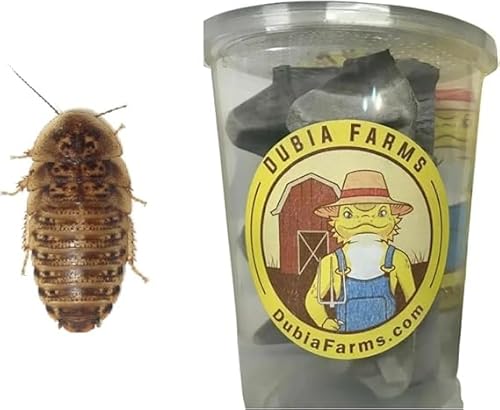
DUBIA FARMS Medium Dubia Roaches (100 ct)
Smaller dubia sized for juveniles and smaller dragons.


Superworm Live Superworms (300 ct, Large)
Fatty, satisfying treat for adult dragons in moderation.
As an Amazon Associate we earn from qualifying purchases at no extra cost to you. Feeding and supplement guidance here is researched care information, not veterinary advice; confirm dosing with a reptile vet.
How we chose these feeders
These recommendations are based on reptile-veterinary nutrition guidance, established breeder practices, and verified keeper reviews, not on hands-on lab testing. We ranked feeders by their protein-to-fat ratio, calcium balance, and digestibility, then weighed practical factors like odor, escape risk, shelf life, and reliable live arrival. Staples that can safely make up the bulk of the insect diet rank highest, while richer or fattier insects appear lower as treats.
Nutrition comparison table
| Feeder | Role | Notes | Best for |
|---|---|---|---|
| Dubia roaches | Staple | High protein, low fat, low odor, easy keeping | All ages |
| Crickets | Staple | Good protein, active prey, smell and escape | All ages |
| Black soldier fly larvae | Staple | Naturally high calcium, no dusting needed | Babies, all ages |
| Medium dubia | Staple | Smaller dubia for correct sizing | Juveniles |
| Hornworms | Treat | High moisture, low fat, low other nutrients | Hydration, picky eaters |
| Superworms | Treat | Fatty, larger, satisfying | Adults, in moderation |
The picks in detail
Dubia roaches (best overall)
Dubia roaches are the staple most experienced keepers reach for first. They pack more protein and less fat than crickets, have a softer shell that digests well, and carry a reasonable calcium balance once gut-loaded. Just as importantly, they are low-maintenance: they do not smell, do not chirp, cannot climb smooth plastic, and live for months, so a single order lasts a long time. They are the easiest way to feed a clean, nutritious staple every day.
Crickets (best classic staple)
Crickets are the original feeder for good reason. They are cheap, available everywhere, and their constant movement triggers a powerful feeding response that even picky dragons rarely ignore. Nutritionally they are a solid daily staple. The trade-offs are practical: they smell, they chirp at night, they escape, and they die off quickly without good care. Keep them in a ventilated bin with food and water gel to extend their life.
Black soldier fly larvae (high calcium)
BSFL, sold as Phoenix worms or calci-worms, are unusual among feeders for their naturally high calcium content and good calcium-to-phosphorus ratio. That makes them one of the few insects you do not strictly need to dust, and an excellent staple for fast-growing babies that need calcium for bone development. They are small, soft, and arrive in a self-contained cup that lasts a couple of weeks.
Medium dubia roaches (best for juveniles)
Sizing is everything, and medium dubia give you correctly proportioned feeders for juveniles and smaller adults. Buying the right size from the start is safer than trying to feed large roaches to a small dragon. These offer all the staple benefits of dubia in a body small enough to stay well under the eye-width safety limit.
Hornworms (best treat)
Hornworms are soft, brightly colored, and packed with moisture, which makes them perfect for tempting a dragon that is off its food or one that needs extra hydration. They are low in fat but also low in other nutrients, so they work as a supplement and enrichment item rather than a daily staple. Their movement and color make them irresistible to most dragons.
Superworms (occasional treat for adults)
Superworms are larger and fattier than mealworms and far more nutritious, making them a satisfying treat for juveniles and adults. They are too rich and too big for babies, so reserve them for older dragons and feed in moderation. Their crunch and size make them a favorite reward, just not an everyday food.
The bottom line
Build the insect side of your dragon's diet on dubia roaches, crickets, and black soldier fly larvae, sized correctly and gut-loaded and dusted before each feeding. Rotate in hornworms and superworms as occasional treats for variety and enrichment. Avoid relying on mealworms or waxworms as staples. Get the staples right, keep the treats occasional, and you will give your dragon the balanced protein it needs without the risks of a poorly chosen feeder.
Frequently Asked Questions
What is the single best feeder insect for a bearded dragon?
Dubia roaches are widely considered the best all-around staple. They have a high protein-to-fat ratio, a reasonable calcium balance, and a soft enough shell to digest well. They do not smell, cannot climb smooth surfaces, and cannot fly or chirp, which makes them far easier to keep than crickets. For most keepers, dubia roaches are the most nutritious and lowest-hassle daily feeder.
Are black soldier fly larvae a good staple?
Yes, black soldier fly larvae (also called Phoenix worms or calci-worms) are one of the best staple feeders, especially for babies. They are naturally high in calcium with a good calcium-to-phosphorus ratio, so they often do not need dusting. They are small, soft, and easy to digest. The only downside is they are pricier per insect and can be harder to find in bulk.
Should I feed crickets or dubia roaches?
Both are excellent staples, so it often comes down to preference. Dubia roaches are cleaner, quieter, longer-lived, and slightly more nutritious, but some keepers dislike handling roaches. Crickets are cheaper and their constant movement triggers a strong feeding response, but they smell, chirp, escape, and die quickly. Many keepers rotate both for variety.
Which feeder insects are treats, not staples?
Superworms, hornworms, and waxworms are treats. Superworms are fatty and best for adults in moderation. Hornworms are hydrating but low in other nutrients. Waxworms are very high in fat and almost like candy, useful only for fattening an underweight dragon. Mealworms are also not a good staple because of their tough shell and poor calcium balance.
How do I keep feeder insects alive longer?
Keep them in a ventilated container with proper food and avoid extremes of temperature. Dubia roaches thrive at warm room temperature with gut-load chow and a moisture source. Crickets need ventilation, egg-crate hiding spots, and food and water gel to avoid die-off. BSFL and hornworms come in self-contained cups and last a couple of weeks. Always gut-load before feeding.
How were these feeder insects chosen?
These picks are based on reptile-veterinary nutrition guidance, established breeder practices, and verified keeper reviews, not on hands-on lab testing. We prioritized feeders with a favorable protein-to-fat ratio and calcium balance, ease of digestion, and safety, then ranked staples above treats. Availability, live-arrival reliability, and value also factored into the recommendations below.
Need more help with your bearded dragon?
Browse our guides by topic to find practical solutions.
Care Planner: $39