Bearded Dragon Hydration and Misting Guide
How to keep a bearded dragon hydrated: water from food and baths, safe misting, ideal humidity, signs of dehydration, and why over-misting is dangerous.
Bearded dragons get most of their water from food, occasional warm baths and light misting, not from a bowl, but you should still keep a shallow, clean water dish on the cool side. Keep humidity low, roughly 30 to 40 percent, and watch for wrinkled skin, sunken eyes, sticky saliva and stuck shed as signs of dehydration. Hydration is one of the trickiest parts of bearded dragon care, because dragons are desert animals that rarely drink from a bowl, yet they still need enough water to shed cleanly, digest, and stay healthy. The answer is not to flood the enclosure with moisture, which can make a dragon sick, but to supply water in the ways it evolved to take it: through food, the occasional warm bath, and light, controlled misting. This guide explains where dragons actually get their water, how to mist safely, the humidity range to aim for, and how to spot dehydration before it becomes a problem.
Hydration Helpers
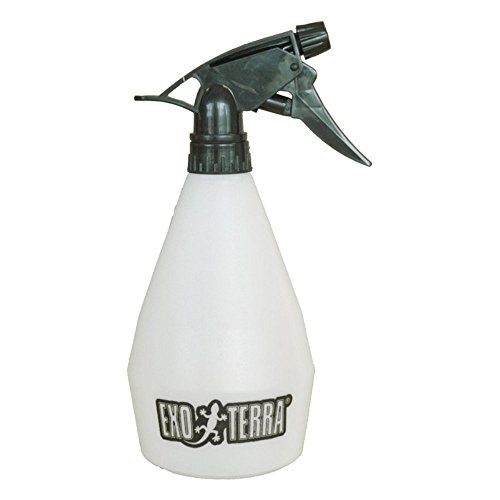
Exo Terra Mini Mister Spray Bottle
Fine, controlled spray for light misting of greens and decor.

Oregon Silkworms Live Hornworms
Water-rich feeders that hydrate as your dragon eats.

PAIZOO Digital Thermometer and Hygrometer
Track humidity so the enclosure stays dry and safe.

Zoo Med Reptile Rock Water Dish
Shallow dish for the dragons that do choose to drink.
As an Amazon Associate we earn from qualifying purchases at no extra cost to you. Feeding and supplement guidance here is researched care information, not veterinary advice; confirm dosing with a reptile vet.
Where bearded dragons really get water
In their native Australian habitat, bearded dragons rarely encounter open water. They get most of their moisture from the food they eat and from licking dew and droplets off plants in the cool morning. That biology shapes how we should hydrate captive dragons. Rather than relying on a water dish a desert reptile may never use, lean on the sources it is built to use: moisture-rich foods, occasional baths, and gentle droplets. Get those right and most dragons stay well hydrated without any drama.
Hydration through diet and baths
The single most reliable way to hydrate a bearded dragon is through what it eats and the baths you give it:
- Fresh greens: a daily salad of collard, mustard, and dandelion greens carries a lot of water along with nutrition.
- Water-rich feeders: hornworms and black soldier fly larvae have high moisture content and hydrate as the dragon eats.
- Warm baths: a shallow soak lets a dragon absorb a little moisture and lap from the surface, and many dragons drink most readily in the bath.
For a dragon that flat out ignores its bowl, this trio does the heavy lifting. A hornworm or two and a generous, freshly misted salad can keep a dragon in good water balance with no bowl-drinking at all.
How to mist safely
Misting is helpful in moderation and risky in excess. Done right, a light mist gives a shedding dragon some surface moisture and a quick drink of droplets. Done wrong, it turns a desert enclosure into a damp, infection-prone environment. Follow these rules:
- Mist lightly on the greens or where the dragon can lick droplets, not all over the substrate.
- Let the enclosure dry out completely between mistings.
- Keep good airflow so moisture does not linger.
- Mist a little more during a shed, then ease off once it is finished.
A fine hand mister gives you the control to deliver just a few droplets at a time, which is all a dragon needs.
The right humidity
Bearded dragons thrive in low humidity, roughly 30 to 40 percent, that mirrors their arid homeland. Chronically high humidity is one of the leading causes of respiratory infections in captive dragons, so this is a number worth watching with a hygrometer. If readings climb, the fix is more ventilation and less water in the enclosure, not more misting. A dry enclosure with hydration coming from food and baths is far healthier than a humid one.
| Sign of dehydration | What you may notice |
|---|---|
| Skin elasticity | Pinched skin is slow to flatten |
| Eyes | Sunken or dull |
| Mouth | Sticky or stringy saliva |
| Energy | Lethargy and reduced appetite |
| Shedding | Stuck or incomplete shed |
Spotting and fixing dehydration
Learn to recognize the early signs of dehydration so you can act before it becomes serious. Wrinkled, loose skin that is slow to spring back, sunken eyes, a sticky mouth, lethargy, and stuck shed all point to a dragon that needs more water. The first response is simple: offer a warm bath, feed water-rich hornworms and a freshly misted salad, and make sure clean water is available. Most mild cases bounce back quickly. If a dragon stays lethargic, refuses food, or seems weak, see a reptile vet, since dehydration can accompany other illness. With hydration coming from food, baths, and light misting, and a dry, well-ventilated enclosure, your bearded dragon gets exactly the water it needs without the risks of a damp habitat.
Sources
- VCA Animal Hospitals: Bearded Dragons, Housing (humidity and water)
- Merck Veterinary Manual: dehydration in reptiles
Researched from veterinary and nutrition references, not professional veterinary advice. See a reptile veterinarian for any health concern.
Frequently Asked Questions
Does a bearded dragon need a water bowl?
Yes, keep a shallow water bowl in the enclosure, cleaned and refilled daily, even though many dragons rarely drink from still water. Use one shallow enough that the dragon can climb out easily, place it on the cool side so it does not raise humidity under the basking lamp, and rely on greens, baths and light misting for most of the hydration.
How do bearded dragons get most of their water?
In the wild, bearded dragons get most of their moisture from food and from dew and droplets rather than from standing water. In captivity that means a big share of their hydration comes from fresh greens and water-rich feeder insects like hornworms, plus the occasional warm bath. Many dragons ignore a still water dish entirely, so relying on diet, baths, and light misting is usually more effective than expecting them to drink from a bowl.
Should I mist my bearded dragon?
Light misting can help, but it should be done carefully. A quick mist on the greens or a gentle spray the dragon can lick droplets from offers a little hydration and humidity, which is useful during a shed. The key is moderation: bearded dragons are desert animals, and a constantly damp, humid enclosure invites respiratory infections and scale rot. Mist lightly, let the enclosure dry out fully, and never soak the substrate.
What humidity should a bearded dragon enclosure be?
Aim for a relatively low humidity of roughly 30 to 40 percent, matching the dry climate bearded dragons evolved in. Chronically high humidity is one of the most common causes of respiratory infections in captive dragons. Use a hygrometer to keep an eye on the level, ensure good airflow, and avoid over-misting. If humidity creeps up, improve ventilation and cut back on water in the enclosure rather than adding more.
What are the signs of a dehydrated bearded dragon?
Signs of dehydration include wrinkled or loose skin that is slow to flatten when gently pinched, sunken eyes, lethargy, a sticky or stringy mouth, loss of appetite, and dry, infrequent stools. Stuck shed can also point to low hydration. If you notice these, offer a warm bath, water-rich feeders, and fresh greens, and if the dragon does not improve quickly or seems weak, consult a reptile vet.
Do bearded dragons need a water bowl?
A shallow water dish is worth providing, since some dragons will drink from it and it adds a little ambient humidity, but do not rely on it as the main water source. Keep it shallow to avoid spills and drowning risk, clean it daily because dragons often defecate in water, and watch that it does not push enclosure humidity too high. Many keepers find baths and diet do more for hydration than a bowl.
How can I get my bearded dragon to drink more water?
Encourage drinking by offering water-rich feeders like hornworms, misting greens so the dragon takes in moisture as it eats, and giving regular warm baths where many dragons lap from the surface. Some dragons respond to droplets dripped gently near their mouth or to moving water, since movement catches their eye. Combining these methods is far more reliable than hoping a desert reptile will drink from a still bowl.
Can over-misting harm a bearded dragon?
Yes. Because bearded dragons are adapted to a dry climate, keeping the enclosure too humid is genuinely dangerous. Excess moisture promotes respiratory infections, which show up as mucus, gaping, and labored breathing, and it can lead to scale rot and skin problems. Always let the enclosure dry out completely between mistings, maintain good ventilation, and track humidity with a hygrometer so you can correct it before it harms your dragon.
Need more help with your bearded dragon?
Browse our guides by topic to find practical solutions.
Care Planner: $39